How to Choose the Best Microfiber Cleaning Cloth for Your Needs?
When it comes to cleaning, choosing the right microfiber cleaning cloth can significantly impact your results. Research by the International Cleaning Industry Association states that high-quality microfiber cloths can remove up to 99% of bacteria without chemicals. This efficiency highlights the importance of selecting the right type for your specific needs.
Expert Linda Smith, a well-known authority in the cleaning industry, emphasizes, "Not all microfiber cloths are created equal." This statement invites consumers to consider various factors, such as the microfiber's density, texture, and size. For example, thicker cloths are better for scrubbing, while softer options are ideal for delicate surfaces.
Despite their effectiveness, many users overlook the maintenance of microfiber cloths. Improper cleaning can diminish their performance. It’s essential to wash them correctly to prevent residue buildup. Therefore, understanding these nuances can lead to better choices and, ultimately, cleaner spaces.
Types of Microfiber Cleaning Cloths and Their Uses
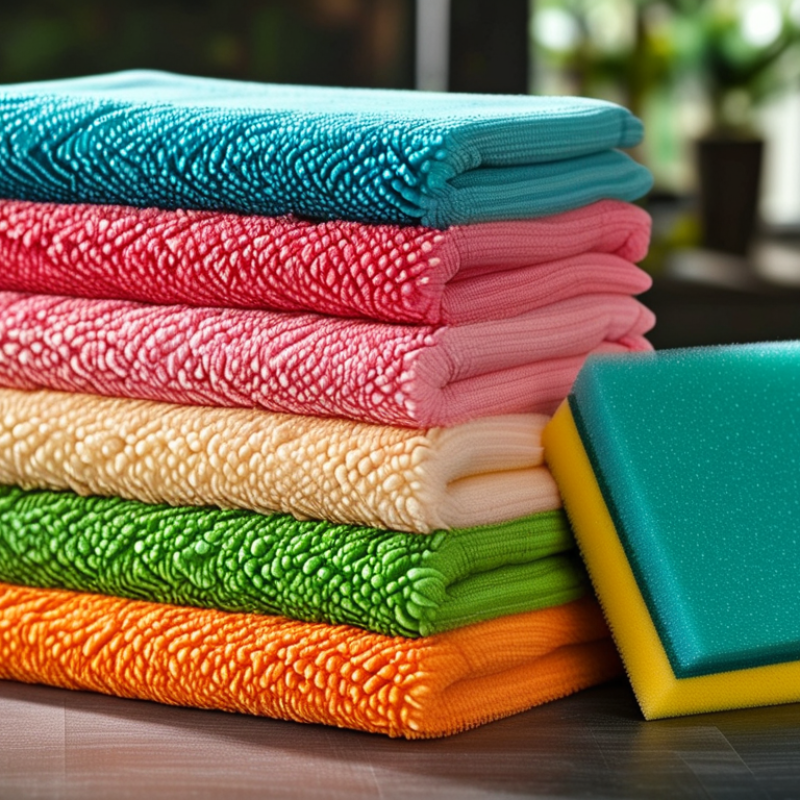
When selecting microfiber cleaning cloths, understanding their various types is essential. One type is the general-purpose cloth. These are usually thicker and absorbent, suitable for a range of surfaces. They clean countertops and windows effectively. They can trap dirt and dust quite well, making them versatile options for everyday tasks.
Another popular type is the polishing cloth. These are softer and finer, ideal for delicate surfaces. They excel in avoiding scratches, especially on glass and electronics. Using them for polishing mirrors or screens can enhance shine without leaving lint. It is crucial to avoid using these on rough surfaces, as they may not hold up well under pressure.
In addition, specialized cloths exist for different tasks. For instance, car cleaning cloths have a unique weave for effective detailing. They can absorb water quickly and remove grime without streaks. However, many users forget to wash them properly after use, leading to degradation over time. Investing in the right type is necessary for optimal results, but it's also important to care for them adequately.
Microfiber Cleaning Cloths Comparison
Key Factors to Consider When Choosing a Microfiber Cloth
When choosing a microfiber cleaning cloth, several key factors come into play. The thickness of the cloth matters. Thicker microfiber tends to absorb more liquid and trap dirt effectively. A denser weave can also enhance durability. Look for cloths with a GSM (grams per square meter) rating. A higher GSM indicates better quality, though it may feel heavier.
The type of microfiber is crucial as well. Some cloths are designed for specific tasks. For instance, plush microfiber is great for polishing, while a flat weave is better for dusting. Consider the texture and feel. Softer cloths can be gentler on surfaces but may not pick up larger particles as effectively. It’s a balancing act of needs versus performance.
Color can also suggest functionality. Darker colors may hide stains better, while lighter shades can signal dirt accumulation, prompting more frequent washing. Be sure to check the washing instructions. Proper care is essential for longevity. Remember that while they seem simple, microfiber cloths are not all created equal. Small details can significantly impact your cleaning experience. As you explore, be mindful and reflective on your choices.
Assessing Absorbency and Durability of Microfiber Materials
When selecting microfiber cleaning cloths,
absorbency and
durability are critical factors.
Microfiber materials are made of ultra-fine fibers that can hold up to seven times their weight in liquid.
This impressive absorbency makes them highly effective for various cleaning tasks. According to industry reports,
the best microfiber cloths can absorb water significantly better than cotton alternatives,
making them more suitable for spills and wet cleaning.
Durability is equally important. High-quality microfiber can withstand hundreds of wash cycles
without losing its effectiveness.
Some reports indicate that microfiber cloths can last up to five times longer than standard cleaning cloths
when properly cared for. However, not all microfiber cloths are created equal.
Some may fray or lose absorbency over time, potentially posing a challenge for users.
Tip: Always check the GSM
(grams per square meter) rating. A higher GSM indicates a thicker cloth,
generally signaling better absorbency and durability. Look for cloths that specify they are
lint-free.
This ensures you avoid leaving residues behind while cleaning.
Tip: Before purchasing, assess your cleaning needs.
For instance, heavier-duty tasks require sturdier cloths, while light dusting can be accomplished with thinner options.
Consider buying a variety for different purposes to enhance your cleaning efficiency.
Understanding Different Weights and Weave Patterns in Microfiber
When choosing a microfiber cleaning cloth, understanding the different weights and weave patterns is crucial. Weights typically range from 200 GSM (grams per square meter) to 500 GSM. A lighter cloth, around 200-300 GSM, is ideal for delicate surfaces like screens. They provide a soft touch but may not hold as much moisture or dirt.
In contrast, heavier microfiber cloths, particularly those above 400 GSM, offer superior absorption and durability. They work great for tough cleaning tasks and can last longer through multiple washes. According to industry reports, microfiber cloths with a terry or plush weave have finer fibers that can trap dirt more effectively. Such weaves enhance the cloth's ability to pick up particles, which is essential for achieving a thorough clean.
However, the combination of weight and weave may not suit every situation. Some users find that heavier cloths can leave lint on certain surfaces. Others might experience wear and tear more quickly with lighter fabrics. Identifying the right cloth involves considering these factors and testing different options to determine which meets your cleaning needs best.
Proper Care and Maintenance for Longevity of Microfiber Cloths
Microfiber cleaning cloths are effective tools for various cleaning tasks. To ensure they serve you well for a long time, proper care and maintenance are essential. According to industry research, proper maintenance can extend the lifespan of microfiber cloths by up to 50%. By following a few simple guidelines, you can maximize their effectiveness.
For cleaning, avoid using bleach or fabric softeners. These substances can damage the fibers and reduce their cleaning power. Instead, wash your cloths in warm water with a mild detergent. This helps maintain their absorbency and softness. Additionally, do not wash microfiber with cotton or other fabrics. The lint from other materials can adhere to the microfiber, diminishing its performance.
Tips: Always air dry microfiber cloths instead of using a dryer. High heat can cause the fibers to degrade. Regularly inspect your cloths for signs of wear. Deteriorated cloths may leave lint and scratches on surfaces. When cleaning delicate surfaces, consider using a separate cloth to prevent cross-contamination.
Mindfully caring for your microfiber cloths promotes their longevity. It’s easy to overlook these details, but doing so ensures they remain an effective cleaning solution. Pay attention to your cloths’ conditions and adjust your care routine as needed. With the right approach, your microfiber cloths can last longer and perform better.