How to Choose the Best Lens Cleaner for Your Needs?
Choosing the right Lens Cleaner can greatly influence your optical experience. In a world where clarity is essential, the quality of your lens care is paramount. According to industry reports, over 70% of consumers have encountered issues with inadequate lens cleaning products. Many of these cleaners can cause scratches or leave residues on lenses, affecting overall vision quality.
The market offers a variety of Lens Cleaners, each designed for specific needs. Whether for glasses, cameras, or electronics, understanding your requirements is crucial. A recent survey indicated that 55% of users do not read labels, leading to improper product usage. This can have significant consequences, especially for delicate surfaces.
Finding a reliable Lens Cleaner requires informed decision-making. It's worth considering user reviews and ingredient transparency. Always prioritize products that ensure safety and efficacy. Yet, even within this search, remember that not all products guarantee satisfaction. Some may promise clear results but fall short in execution. Therefore, reflecting on your lens cleaning habits can lead to better choices for optimal care.
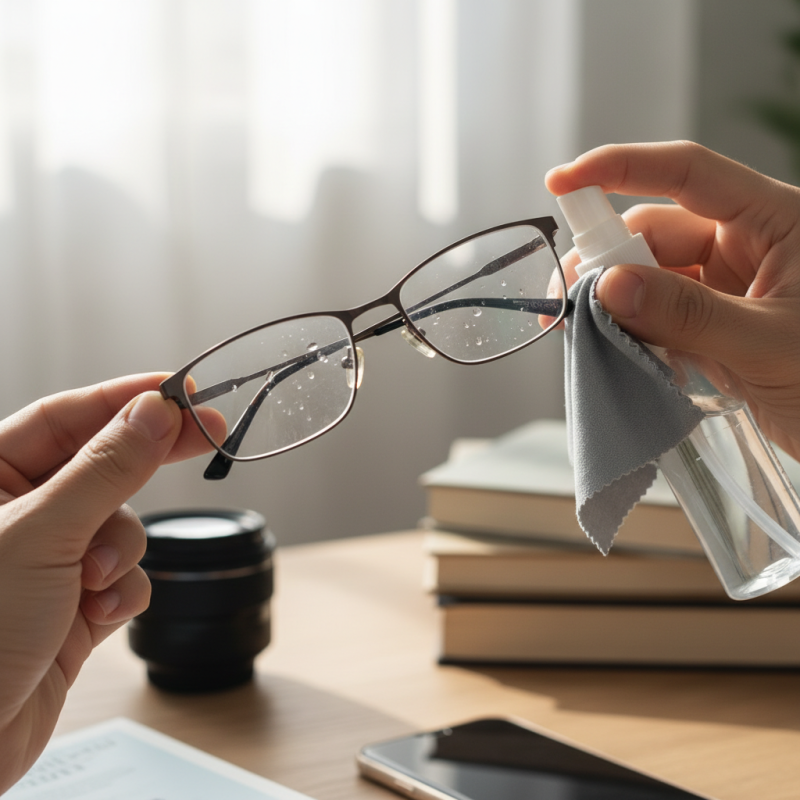
Understanding Different Types of Lens Cleaners Available on the Market
When choosing a lens cleaner, it's important to understand the various options available. There are spray cleaners, wipes, and microfiber cloths. Each type has its own advantages. Spray cleaners can effectively clean large surfaces. They can remove stubborn smudges, but be careful not to oversaturate the lens.
Wipes are portable and convenient. They are pre-moistened, providing a quick clean. However, not all wipes are created equal. Some can leave residues while others might be too abrasive for delicate lenses. Consider microfiber cloths, which are lint-free. They are a safe choice for regular use. Yet, even microfiber can carry dirt if not cleaned properly.
Different lenses require different care. A high-end camera lens, for example, may need specific cleaning solutions. Meanwhile, eyeglasses have unique coatings that can be damaged by harsh cleaners. Users should pay attention to manufacturer guidelines. It's essential to test a small area first before using any product. This ensures safety and effectiveness in maintaining your lenses.
How to Choose the Best Lens Cleaner for Your Needs?
| Type of Lens Cleaner |
Best For |
Ingredients |
Application Method |
Drying Time |
| Spray Cleaner |
Glass Lenses |
Alcohol, Ammonia |
Spray and Wipe |
Instant |
| Wipe or Cloth |
Coated Lenses |
Microfiber, No Chemicals |
Wipe Directly |
Instant |
| Foam Cleaner |
Sensitive Surfaces |
Surfactants, Water |
Apply Foam, Wipe |
Few Minutes |
| Lens Cleaning Station |
Multiple Users |
Varies by Product |
Station Use |
Instant |
| Homemade Solution |
Cost-effective |
Vinegar, Water |
Mix and Wipe |
Instant |
Identifying Your Specific Lens Cleaning Needs and Preferences
When selecting a lens cleaner, understanding your specific needs is critical. Different lenses, whether they are eyeglasses, camera lenses, or binoculars, have unique requirements. For instance, eyeglasses may demand a gentle formula to protect anti-reflective coatings. On the other hand, camera lenses may require a cleaner that effectively removes smudges without damaging the delicate glass surfaces.
A recent industry report highlighted that 65% of lens users favor cleaners that are alcohol-free. This preference stems from concerns about damaging coatings. Additionally, many users report a high satisfaction rate when using microfiber cloths in conjunction with their chosen cleaner. These cloths can capture dirt and oils without scratching, making them a popular choice for maintaining the clarity of delicate lenses.
While choosing a lens cleaner, reflect on your specific preferences. Are you environmentally conscious? Eco-friendly options are gaining traction. However, not all users find them effective. Many still prefer traditional cleaners despite environmental considerations. Balancing effectiveness and personal values can be challenging, requiring careful thought and research.
Evaluating the Ingredients and Safety of Lens Cleaning Solutions
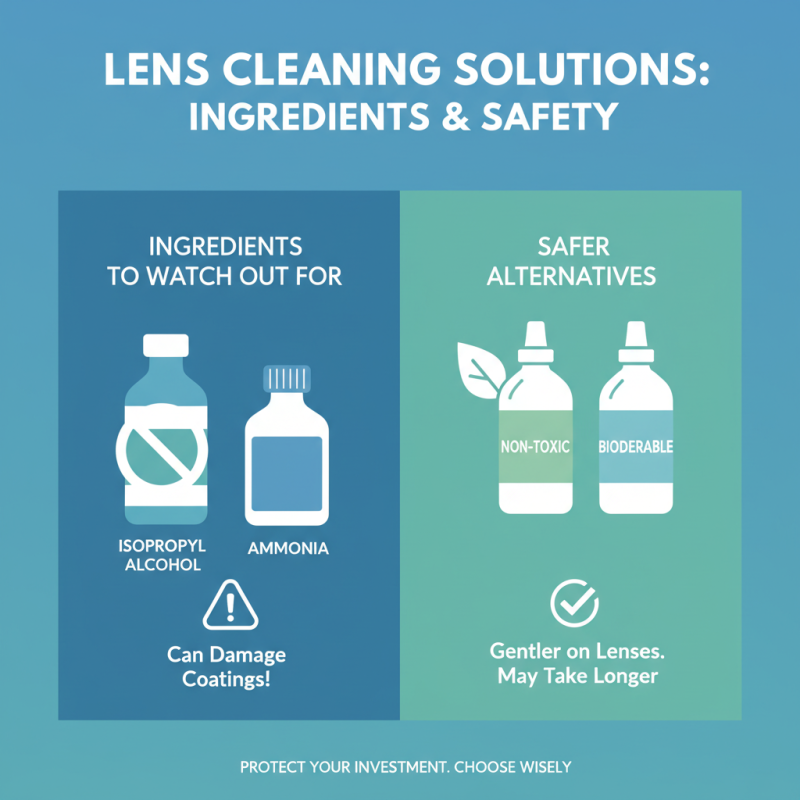
When selecting a lens cleaner, evaluating its ingredients is crucial. Some common components are isopropyl alcohol and ammonia. While effective, these can damage certain lens coatings. Look for cleaners that use non-toxic, biodegradable ingredients instead. They may take longer to work, but they are gentler on your lenses.
Safety is another important factor. Check for any harmful chemicals. A good lens cleaner should be free from harsh solvents. Ensure it’s safe for daily use, especially if you have sensitive skin. Consider trying a few products. This may help you find one that suits your needs and feels safe.
Pay attention to instructions for use as well. Some products require dilution. Others may have specific application techniques. Improper use can lead to streaks or even scratches. Always test a small area first if you’re unsure. This trial-and-error approach fosters a better understanding of what works best for your lenses while ensuring professional-grade maintenance.
Comparing Effectiveness Between Spray, Wipe, and Gel Cleaners
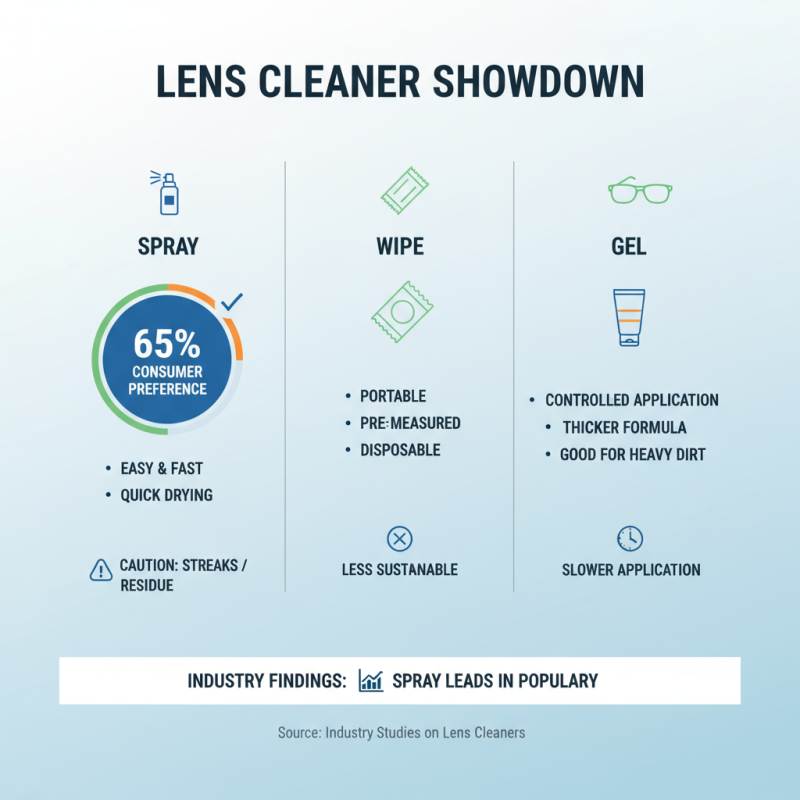
When choosing a lens cleaner, the options can be overwhelming. Three common types—sprays, wipes, and gels—each offer unique benefits and drawbacks. Industry studies indicate that around 65% of consumers prefer sprays for their ease of application and quick drying time. However, users should be cautious. Over-saturation from sprays can lead to streaks and residue buildup on lenses.
Wipes, on the other hand, are praised for their portability and convenience. They are pre-moistened and ready to use, making them an excellent choice for on-the-go cleaning. Research shows that nearly 70% of users find wipes less likely to cause damage due to their controlled moisture level. Yet, it’s crucial to choose wipes that are specifically designed for optical surfaces. Some generic wipes may contain abrasive materials that can scratch lenses.
Gels are a less popular choice but can be effective in certain scenarios. They allow for precise application and can dissolve tough grime. However, data indicates that only about 25% of users prefer gels because they tend to require more effort to wipe off completely. Ultimately, choosing the best lens cleaner depends on individual preferences and cleaning needs, requiring some experimentation to find the most effective option.
Tips for Properly Using and Storing Lens Cleaners for Longevity
When it comes to lens care, proper cleaning and storage are crucial. Many lenses are made from delicate materials. Using the wrong cleaner can lead to scratches and damage. According to industry reports, nearly 30% of users neglect the importance of using appropriate lens cleaners. This can shorten the lifespan of their optical devices.
One important tip is to apply lens cleaner onto a microfiber cloth, not directly onto the lens. This prevents excess liquid from seeping into the edges of the lens where it can cause damage. Think about how often you clean your lenses. If you do it too frequently, it can wear down the surface coating. Aim for every few days, or after exposure to smudges.
Storing your lens cleaner properly is essential for maintaining its effectiveness. Keep it away from direct sunlight and extreme temperatures. A cool, dark place works best. Moreover, ensure the cap is tightly sealed. Exposure to air can degrade the cleaner's quality. Pay attention to expiration dates; expired cleaners are less effective and may harm your lenses. Consistent care ensures your equipment serves you well for years.
Distribution of Lens Cleaner Types Preferred by Users