How to Choose the Right Glasses Chain for Your Business?

Choosing the right Glasses Chain can influence product appeal, customer comfort, and repeat purchases. For many eyewear businesses, it is more than a decorative accessory. It supports daily use, protects glasses from accidental drops, and strengthens a store’s visual identity. A carefully selected chain can make a simple frame look polished. A poorly chosen one may feel heavy, scratch skin, or appear unreliable after several uses.

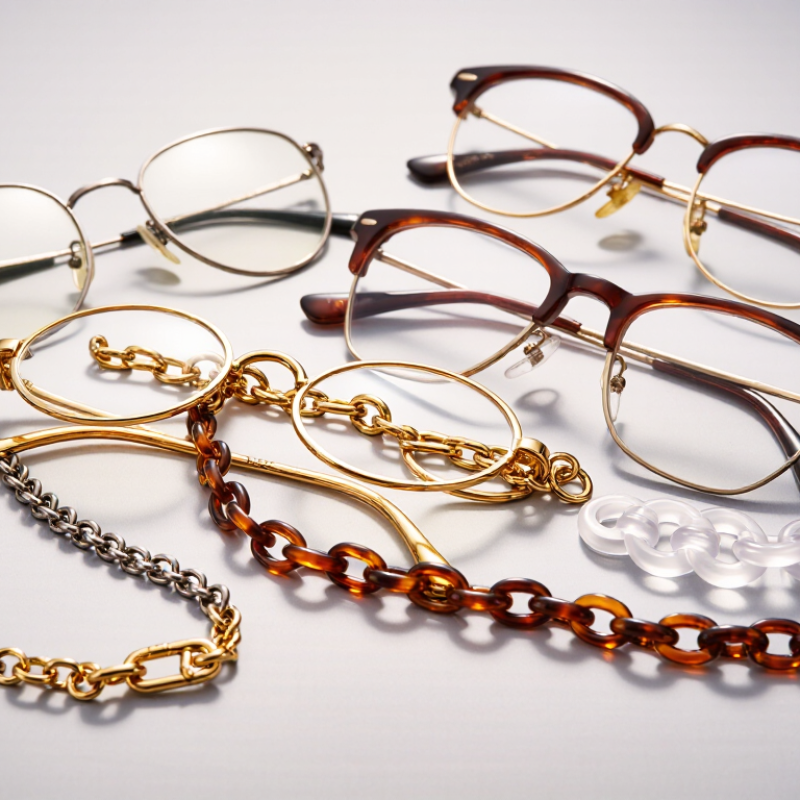
Business buyers should examine materials, length, weight, connectors, and clasp quality. Stainless steel, acetate, silicone, and recycled materials offer different benefits. A lightweight chain may suit children or active customers. A stronger metal design may appeal to professionals seeking a refined appearance. Connector loops must fit different frame shapes without damaging temple arms. Small details matter. Even color consistency can affect shelf presentation. Black, gold, tortoiseshell, and transparent finishes create different buying signals.

Supplier evaluation also requires practical evidence. Request samples before placing a large order. Test the chain with several frame styles and inspect it under repeated handling. Ask for material specifications, care instructions, production capacity, and quality-control records. Reliable suppliers should communicate clearly about lead times and replacement policies. Claims about sustainability or durability deserve documentation, not attractive wording alone. A perfect choice does not exist. I may prioritize style too quickly, while another buyer may focus only on price. Reviewing customer feedback, return reasons, and sales performance can correct those assumptions. The strongest decision balances appearance, comfort, durability, compliance, and realistic business margins.
How to Choose the Right Glasses Chain for Your Business?

Understanding Your Business Needs for a Glasses Chain

Choosing the right glasses chain starts with understanding your business, not chasing seasonal designs. Identify your customers, selling environment, and price range. A pharmacy may need lightweight chains for daily wear. A fashion store may prefer decorative details and stronger visual appeal. Customer habits matter too. Active users need secure clasps and comfortable materials. Older customers may value easy handling more than complex decoration.

Measure the practical details. Check chain length, link thickness, clasp size, and total weight. A heavy chain can pull frames downward and cause discomfort. Small clasps may look elegant but frustrate customers with limited hand movement. Request samples before placing a larger order. Test them with different frame shapes, including thick plastic frames and narrow metal frames. Keep it practical.

I once focused too heavily on appearance and overlooked packaging space. The chains looked attractive, but tangled pieces slowed product displays and staff handling. That mistake changed my buying process. I now examine packaging, storage, cleaning instructions, and reorder consistency.

Ask suppliers for material specifications, quality inspection records, and production details. Reliable documentation supports better purchasing decisions. It also helps staff answer customer questions accurately.

Do not assume the first sample represents every future shipment. Small differences in color, clasp tension, or link finish can appear between batches. A clear inspection checklist can catch these issues before they reach the sales floor.

Comparing Glasses Chain Materials, Styles, and Durability

Choosing the right glasses chain starts with material, not appearance. Grand View Research valued the global eyewear market at US$153.36 billion in 2023, with an 8.1% projected CAGR through 2030. That scale creates strong accessory opportunities, but buyers still need practical testing. WHO’s World Report on Vision states that at least 2.2 billion people have vision impairment worldwide. Comfortable, dependable eyewear accessories therefore deserve serious attention.

Stainless steel chains suit daily retail use because they resist bending and keep a clean, professional look. Nylon and woven cords feel lighter, often suit active customers, and offer more color flexibility. Acetate beads create a warmer, fashion-led appearance, but larger beads can add weight around the ears. Silicone-coated sections improve grip and reduce slipping. Look beyond appearance. Test the clasp. Open and close it repeatedly, then inspect the connecting rings for sharp edges or weak solder points. Sweat, sunscreen, humidity, and frequent pulling can expose poor plating quickly. ISO 12870:2016 addresses spectacle frames, not every glasses chain, so suppliers should request separate material and fatigue-test records. In practice, no material wins everywhere. A delicate metal chain may sell well visually but disappoint under daily use. A simple cord may perform better, although its finish can feel less premium. Small user trials, documented return reasons, and honest wear testing will usually reveal more than showroom samples.

Selecting the Right Chain Features for Customer Comfort

How to Choose the Right Glasses Chain for Your Business?

Selecting the Right Chain Features for Customer Comfort

Comfort should guide every glasses chain decision. A chain may look attractive, yet feel heavy after two hours. During product testing, wear each style through a full workday. Notice pressure behind the ears, slipping, and neck irritation. Lightweight materials usually reduce fatigue, especially for customers with larger frames. Soft silicone or coated ends can protect the temples from scratches. They also feel smoother against the skin. Adjustable sliders help customers find a secure fit without pulling their glasses forward. This small feature often improves everyday satisfaction.

Tips: Offer several lengths, textures, and attachment styles. Check that the clips open easily but hold firmly. Test chains with thin and thick frames. Ask staff to record customer comments. A short feedback form can reveal problems that display testing misses. Avoid sharp edges and rough metal finishes. Consider customers who sweat, wear makeup, or have sensitive skin. Easy-clean surfaces are more practical in busy stores.

I once favored a polished chain because it looked premium. After repeated wear, its weight became uncomfortable. That mistake changed my evaluation process. Appearance still matters, but comfort decides whether customers use the product again. Keep testing honest. Some chains may suit occasional use, but fail during commuting or long retail shifts. Availability of replacement clips also supports reliable service and reduces avoidable complaints.

How to Choose the Right Glasses Chain for Your Business? - Selecting the Right Chain Features for Customer Comfort

Typical specification ranges are indicative and may vary by construction, coating, hardware, and production method.
Chain Feature Typical Data or Options Customer Comfort Impact Recommended Business Use
Material Cotton or polyester cord; silicone or rubber; metal links; leather or synthetic leather Soft textiles usually feel gentle on the neck, while silicone offers a smooth, flexible surface. Metal can feel cooler and may be less comfortable for sensitive skin. Offer at least one soft option and one structured option to suit different customer preferences.
Approximate Chain Weight Textile cord: about 2–5 g; silicone: about 4–10 g; metal-link styles: about 3–8 g; leather styles: about 4–10 g Lower weight reduces neck load and is generally more comfortable during extended wear. Prioritize lightweight designs for everyday eyewear and customers who wear glasses for many hours.
Overall Length Common adult lengths: approximately 65–80 cm; adjustable designs may cover a wider range A suitable length lets the glasses rest near the chest without pulling the temples or touching the neck excessively. Stock a standard adult length and an adjustable option for broader fit flexibility.
Cord or Link Diameter Fine cord: about 1–2 mm; medium cord: about 2–4 mm; larger decorative links: typically 3 mm or more Thinner profiles feel lighter and less noticeable, while thicker profiles can be easier to handle and more visually prominent. Use fine profiles for minimalist collections and medium profiles for customers seeking easier handling.
Ear-End Fittings Silicone loops, rubber sleeves, adjustable beads, or coated metal holders; common inner loop diameters are approximately 2–5 mm Soft, secure fittings help reduce slipping and pressure on the temples. Smooth edges help prevent rubbing. Choose flexible fittings with rounded edges and enough adjustment for different temple thicknesses.
Adjustability Fixed length, sliding bead, toggle, or multiple-position fitting Adjustment helps prevent the chain from hanging too low, pulling the frames, or moving during walking and daily activities. Make adjustable styles the default choice for multi-age and multi-face-shape customer groups.
Surface and Edge Finish Smooth polished finish, textile braid, rounded links, or soft-touch coating; avoid exposed sharp edges A smooth surface reduces snagging, hair pulling, skin irritation, and contact with clothing. Inspect samples manually for burrs, rough seams, uneven coatings, and abrasive connectors.
Skin Contact and Material Information Clearly identify textile, silicone, synthetic, leather, plated metal, or stainless-steel components; request material and coating documentation from suppliers Transparent material information helps customers avoid known sensitivities and choose a more comfortable option. Use accurate material descriptions and avoid unsupported claims such as “hypoallergenic” without appropriate evidence.
Security and Breakaway Design Secure frame loops or sleeves; optional breakaway connector for active environments Secure fittings reduce accidental drops, while a breakaway feature can reduce snag-related pulling force when appropriate. Consider breakaway construction for children, workplaces, travel, and active customers; test attachment strength before sale.
Moisture and Cleaning Suitability Silicone and some synthetic materials tolerate routine wiping well; leather and untreated textiles require more careful maintenance Easy-clean materials are more comfortable over time because they are less likely to retain sweat, oils, or odors. Provide care instructions and select moisture-resistant options for sports, summer, and outdoor collections.
Best Comfort Profile Lightweight construction, soft contact points, adjustable length, smooth finish, and secure but non-pinching fittings Combining these features minimizes pressure, slipping, rubbing, and unnecessary movement during normal wear. Use this specification as a practical quality checklist when comparing samples and selecting a core product range.

Matching Glasses Chains With Your Brand and Target Market

Choosing a glasses chain starts with your brand’s daily behavior, not a color chart. A luxury-oriented audience may expect fine metal, restrained detailing, and a quiet finish. A youthful market may respond better to bold cords, recycled materials, and adjustable beads. The choice should reflect how customers actually wear glasses: at work, outdoors, during travel, or near water.

The World Health Organization reports that at least 2.2 billion people live with vision impairment globally. This highlights a broad, practical market for eyewear accessories. Grand View Research valued the global eyewear market at approximately $118.9 billion in 2023 and forecasts continued growth through 2030. These figures support investment, but they do not guarantee demand for every chain style.

Material communicates positioning quickly. Stainless steel suggests durability and precision. Cotton or woven fibers feel softer and more casual. Silicone grips can suit active users, although they may appear less refined in premium displays. I would test weight, clasp security, and skin comfort with real customers before ordering heavily. Keep it human. A chain that looks attractive online may feel awkward after six hours of wear. Packaging should match the audience too, from minimal recyclable sleeves to colorful counter-ready cards. The difficult part is admitting that personal taste can distort business decisions. Customer feedback, return reasons, and repeat purchases deserve more trust than a designer’s first impression.

How to Choose the Right Glasses Chain for Your Business?

Match glasses-chain characteristics with your brand positioning and target market. Scores range from 1 to 5, where 5 indicates the strongest fit.

Premium and minimalist brands typically benefit from lightweight metal, leather, and refined finishes, while fashion-led and youth-oriented businesses can prioritize color, statement details, and visual impact. Use these benchmarks as a starting point and validate them with your own customer and sales data.

Evaluating Suppliers, Costs, and Order Requirements

Choosing a glasses chain for business starts with supplier verification, not attractive product photos. Ask for material specifications, clasp strength, coating details, and sample photos under natural light. A reliable supplier should explain production steps and identify quality checkpoints. Request a physical sample before placing a larger order. Hold it. Twist it gently. Look for loose links, sharp edges, uneven color, and weak silicone ends. These details affect returns and customer trust.

Cost evaluation requires more than comparing unit prices. Add sampling fees, mold charges, packaging, shipping, inspection, and possible defect allowances. Confirm whether quotations change with metal type, length, attachment style, or custom packaging. A cheaper chain may require more replacements. I once treated a low quote as a clear saving, but freight and rejected pieces changed the calculation. That mistake was useful. Build a landed-cost sheet for several quantities. Then compare the price per sellable piece, not the price per ordered piece. Check payment terms and currency risks as well.

Tips: Confirm minimum order quantity, reorder thresholds, lead time, and production capacity in writing. Ask how defects are handled. Keep approved samples and measurements on file. Start with a modest test order when demand is uncertain. Do not promise fast delivery until the supplier proves consistency. A small delay can disrupt a seasonal display. Leave room for improvement. Your first supplier may not be your final supplier.