How to Choose the Right Spectacles Case for Your Eyewear Needs?
Choosing the right Spectacles Case is essential for protecting your eyewear. In a 2022 industry report, it was indicated that over 60% of eyewear damage occurs due to improper storage. Experts emphasize the importance of selecting a case that suits your lifestyle. Dr. Emily Carter, an optometry specialist, states, “A good Spectacles Case not only protects your glasses but also reflects your personal style.”
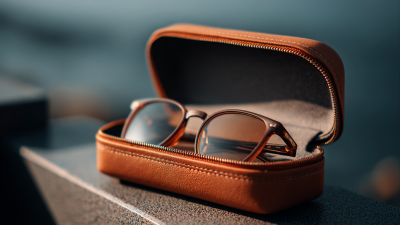
There are various factors to consider in your choice. The material, size, and design of the Spectacles Case can significantly impact the durability of your eyewear. For example, hard cases offer better protection against impact but may be bulkier. Soft cases, on the other hand, are lightweight but might not provide ample defense.
Reflecting on personal needs is crucial. Some may prioritize portability, while others may focus on maximum protection. Understanding these aspects helps in making an informed decision. Ultimately, a personalized approach ensures that your spectacles remain safe and stylish, even as trends evolve.
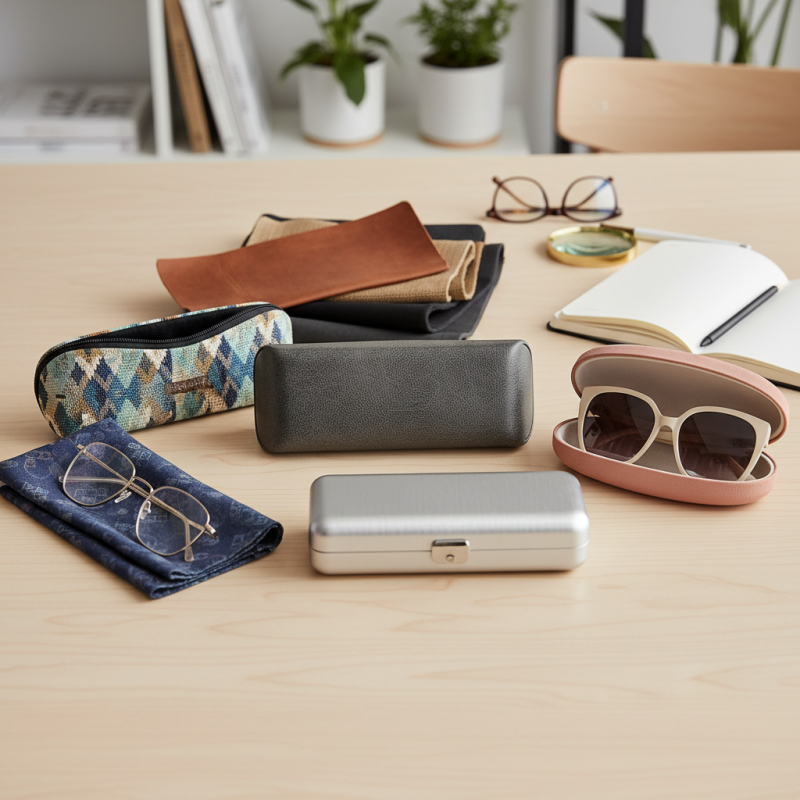
Understanding Different Types of Spectacles Cases: Materials and Designs
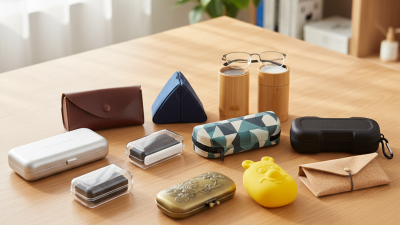
When selecting a spectacles case, the materials and designs are crucial. Hard cases, made from materials like polycarbonate or aluminum, provide superior protection. They resist impact and prevent scratches on lenses. A report from the Optical Industries Association indicates that hard cases can reduce the risk of damage by over 70%. However, they can be bulky and less portable.
Soft cases, often crafted from fabric or synthetic leather, offer flexibility. They are lightweight and easily fit into pockets. Despite their convenience, they may not provide adequate protection against heavy impacts. Research shows that 40% of eyewear damage occurs due to inadequate cases. This highlights the need for careful consideration of protection against everyday hazards.
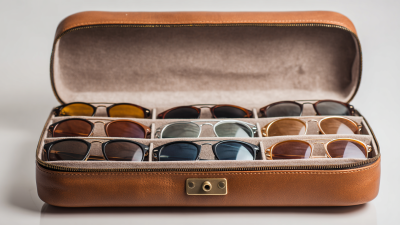
The design of a spectacles case also matters greatly. Features such as magnetic closures or additional compartments can enhance usability. Some cases now come with built-in cleaning cloths. However, consumers often overlook these features, focusing solely on aesthetics. The right case is a balance between function and style, addressing both personal preference and protective needs.
Comparison of Spectacles Cases by Material
Assessing Durability: How Material Quality Affects Eyewear Protection
When choosing a spectacle case, durability is paramount. The material of the case directly impacts its ability to protect your eyewear. Most cases are made from plastic, leather, or metal, each offering unique benefits. A report from the Optical Laboratory Association indicates that hard-shell cases reduce impact by up to 40%, significantly lowering the risk of lens scratches and frame damage.
Plastic cases are lightweight but may not provide the best protection. Leather cases often combine elegance with added durability. However, they might not be as water-resistant as plastic. A survey by the Vision Council highlights that 68% of eyewear users prefer hard cases for daily use. They feel more secure knowing their glasses are shielded from unexpected drops or crushing forces.
Reflecting on material choices can be enlightening. Many users gravitate towards visually appealing cases. Yet, they overlook durability. Some may find a stylish exterior but with flimsy materials. This often leads to regret when glasses get damaged. Investing in a durable case ultimately prolongs the life of your eyewear. Prioritize protection over aesthetics to avoid these pitfalls.
Size and Fit: Choosing the Right Spectacles Case for Your Frames
Choosing the right spectacles case is crucial for protecting your eyewear. The case must fit your specific frame size.
According to industry reports, over 70% of people do not utilize proper cases for their eyewear, leading to increased risk of damage.
A snug fit prevents movement inside the case, which can scratch the lenses or warp the frames.
When selecting a spectacles case, measure your frames. Most cases are designed for standard sizes, but not all frames are created equal.
Some stylish frames may require larger cases. For example, oversized or thick frames may need a deeper case.
A typical eyeglass case dimensions range from 6 to 7.5 inches in length. However, frame sizes vary significantly,
and enthusiasts should consider variations in width and height.
Material is also an essential factor. A hard-shell case provides more protection than a soft pouch.
However, soft cases are lighter and often more portable. There’s a trade-off: durability versus convenience.
Many consumers overlook this aspect when choosing a case. Ultimately, understanding your frame measurements and evaluating the case material
is vital to prolonging the life of your spectacles.
Considering Portability: Lightweight vs. Heavy-Duty Cases for Travel
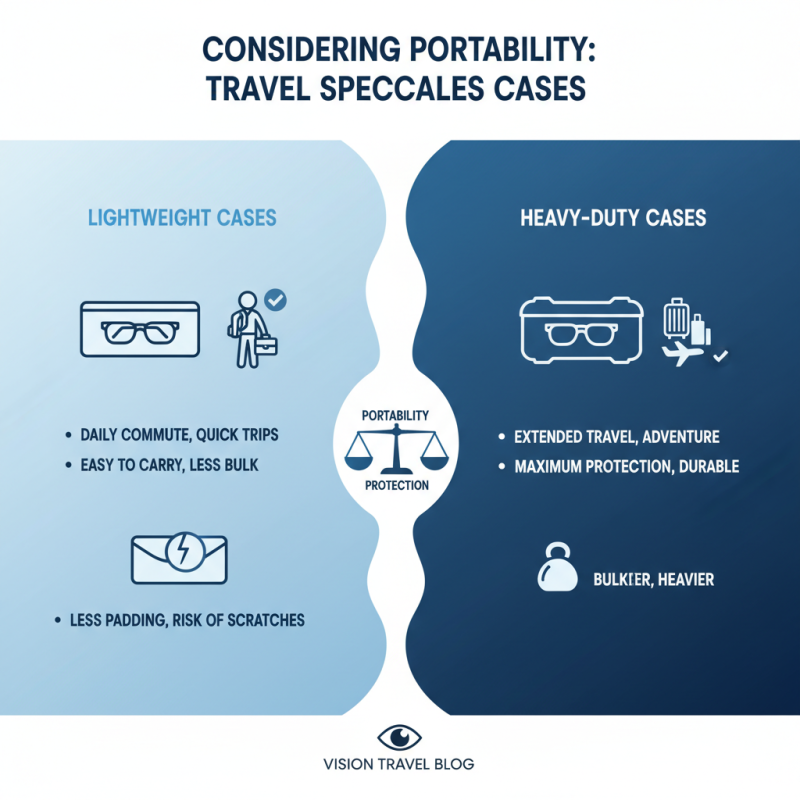
When selecting a spectacles case, portability often takes center stage. Lightweight cases are perfect for everyday use. They fit easily into bags or purses without adding bulk. Many people prefer these for quick trips or daily commutes. However, choosing a lighter case might compromise protection. A thin case could mean less padding, exposing glasses to scratches.
Heavy-duty cases offer robust protection, especially for travel. They safeguard against impacts and environmental damage. If you’re traveling frequently, consider durability a priority. These cases often come with secure closures. Yet, the weight can be a drawback. Carrying a bulky case can be tiresome for long periods. Take time to reflect on your habits. Do you prioritize protection or weight? Finding a balance that suits your lifestyle can help you make a more informed choice.
Ultimately, it's not just about which case looks appealing. It's about practical considerations and your eyewear needs. Evaluate your routines carefully. A decision rushed might lead to regrets later.
Budgeting for Quality: Price Ranges and Their Impact on Case Selection
When selecting a spectacles case, budgeting for quality is crucial. Price ranges can significantly influence the protection and longevity of your eyewear. A budget-friendly option may save money upfront but could lack durability. This is especially important if you own expensive lenses or frames.
Investing in a sturdier case may seem daunting. However, the right case can prevent scratches and damages. Look for options made from high-quality materials. Options like leather or reinforced plastic offer better protection. If you’re struggling to choose, consider a mid-range case. It often strikes a balance between cost and quality.
**Tips:** Always check the padding inside the case. A well-padded interior will keep your spectacles safe and secure. Also, consider a design that fits your lifestyle. If you travel frequently, a compact, lightweight case may be ideal. Evaluate your spending limits, and don’t hesitate to invest wisely in protection.
How to Choose the Right Spectacles Case for Your Eyewear Needs? - Budgeting for Quality: Price Ranges and Their Impact on Case Selection
| Price Range |
Material |
Features |
Durability |
Best Suited For |
| $5 - $15 |
Plastic |
Basic Protection |
Low |
Casual Users |
| $15 - $30 |
PU Leather |
Soft Lining, Zipper Closure |
Moderate |
Everyday Users |
| $30 - $60 |
Hard Case |
Impact Resistant, Scratch-Proof |
High |
Travelers, Active Users |
| $60 & Above |
Custom Materials (e.g., Wood, Carbon Fiber) |
Luxury Design, Personalization |
Very High |
Fashion-Conscious Users |