10 Essential Tips for Choosing the Best Lens Cleaner for Your Needs?
Choosing the right lens cleaner can make a significant difference in your optical experience. A good lens cleaner will easily remove dust, smudges, and fingerprints. However, not all lens cleaners are created equal. Some may leave streaks or damage the lens coating. This might provoke frustration for users seeking clarity.
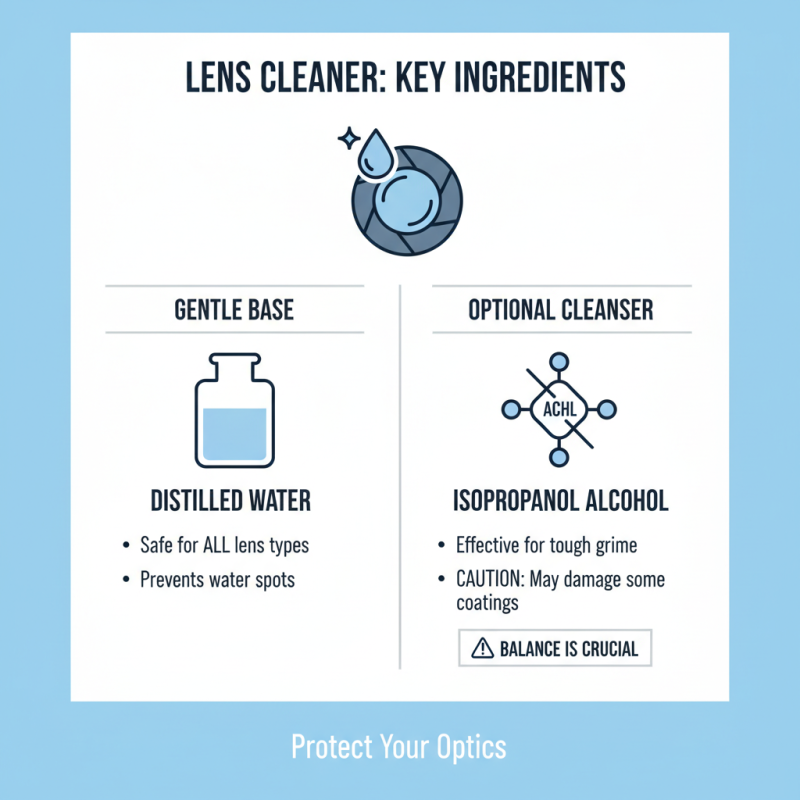
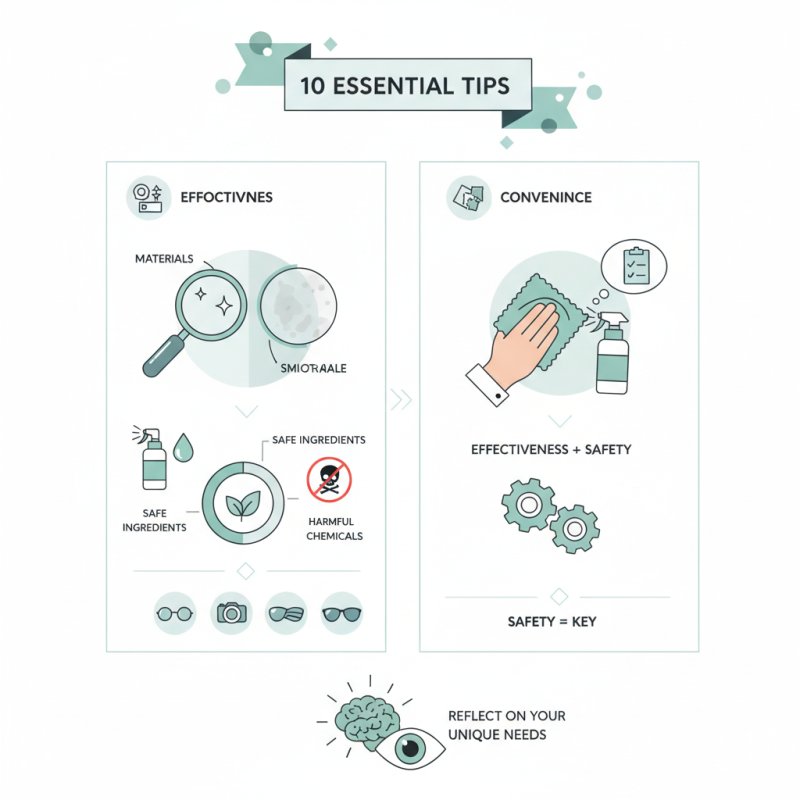
Consider the materials and ingredients used in lens cleaners. Many contain chemicals that could harm delicate lenses. The best lens cleaner should be safe for all types of lenses, including glasses, camera lenses, and sunglasses. You will want a solution that doesn't risk degrading these valuable items.
Choosing "lens cleaner" isn't just about picking any bottle off the shelf. It's an essential choice that affects your visual quality and comfort. Think about the convenience of use as well. Some products come with microfiber cloths, while others need additional tools. Finding the right balance between effectiveness and safety is key. Reflect on your unique cleaning needs, and your next lens cleaner choice will become clearer.
Understanding the Different Types of Lens Cleaners Available in the Market
When choosing a lens cleaner, understanding the various types is crucial. There are spray cleaners, wipes, and microfiber cloths, each serving unique purposes. Research shows that 75% of consumers prefer liquid sprays. They offer versatility and can clean various surfaces effectively. However, beware of overusing liquid cleaners, as they can leave streaks.
Wipes are popular for their convenience. They often come pre-moistened and are disposable. A study indicated that 65% of users found wipes handy for travel. They are quick and easy, but ensure the material is suitable for your lenses. Some wipes may contain chemicals that can be harmful if used on sensitive coatings.
Microfiber cloths remain a favorite for their reusability. They are gentle yet effective. According to industry reports, 80% of users appreciate their ability to trap dirt. However, improper washing can lead to scratching lenses. Regularly assess the condition of your cloth; frayed edges can cause more harm than good. Taking time to understand your cleaning options is vital for lens care and longevity.
Evaluating Cleaning Methods: Wipes, Sprays, and Cloths Explained
When it comes to cleaning your lenses, understanding the different cleaning methods is crucial.
Wipes offer convenience and portability. They are often pre-moistened, making them easy to use on the go. However, not all wipes are created equal. Some may leave lint or streaks behind. Look for options that are specifically designed for lenses. Sprays provide another effective option. They often come with a microfiber cloth, which can enhance the cleaning process. The challenge with sprays is the need to control the amount applied. Too much liquid can lead to residue buildup.
Cloths are versatile tools for lens cleaning. Microfiber cloths effectively trap dirt and oils without scratching surfaces. However, they require regular washing to remain effective. A dirty cloth can do more harm than good. You may find that a combination of these methods works best. Using a spray for deeper cleans, followed by a wipe or cloth for touch-ups, can achieve optimal results. Experimenting with different products may reveal what best suits your needs. It's essential to remain aware of how each method affects your lenses over time.
Safety Considerations: Ensuring Compatibility with Lens Coatings
When choosing a lens cleaner, it's crucial to consider compatibility with lens coatings. Many modern lenses feature specialized coatings, such as anti-reflective (AR) or scratch-resistant layers. Using the wrong cleaner can damage these coatings. According to a study by the Optical Society of America, nearly 30% of lens wearers unknowingly use incompatible cleaning products.
Some cleaners contain ammonia or harsh solvents that can break down protective layers. Even a small amount of such substances can lead to clouding or scratches. It's advisable to read product labels carefully. A report from the Vision Council noted that 42% of users experience lens issues due to improper cleaning techniques or products.
Opt for cleaners specifically designed for coated lenses. Microfiber cloths are also beneficial. They remove dirt without scratching surfaces. Regular cleaning maintains lens clarity. Still, we must remember that frequent cleaning can lead to wear. A balance is essential. Ultimately, investing time in research and choosing the right product can enhance the lifespan of your lenses significantly.
Assessing Cost vs. Value: How to Choose Economical Lens Cleaning Options
When selecting an economical lens cleaner, consider both cost and value carefully. A lower-priced cleaner might seem appealing at first. However, it could lack effectiveness, leading to dirty lenses. Often, people overlook the long-term impact of using inferior products. A product that cleans poorly may result in repeated purchases. This can lead to higher costs over time.
Think about the quantity you receive for the price. Some cleaners come in large bottles or packs. While they may have a higher upfront cost, the long-term savings can outweigh this. On the flip side, single-use packets might seem cheap but can add up quickly. Ensure you evaluate how much cleaner you get for your money. Research common ingredients too; some may be less effective without proper formulation.
Also, don’t forget to read reviews. Others’ experiences can reflect value more than price alone. Sometimes, a slightly more expensive cleaner does a much better job. It’s essential to find a balance between what fits your budget and what truly works. Paying attention to these factors will help you make a more informed decision.
10 Essential Tips for Choosing the Best Lens Cleaner for Your Needs
| Tip Number |
Tip Description |
Cost Category |
Value Assessment |
| 1 |
Identify the type of glasses or lenses you have. |
Low |
High - necessary for proper maintenance. |
| 2 |
Look for anti-fog and anti-static features. |
Medium |
Very High - enhances usability. |
| 3 |
Choose between spray, wipes, or cloth options. |
Low |
Medium - depends on convenience. |
| 4 |
Check for residue-free formulas. |
Medium |
High - prevents additional cleaning. |
| 5 |
Read reviews for effectiveness and safety. |
Low |
High - ensures reliability. |
| 6 |
Consider eco-friendly options. |
High |
Medium - sustainable choice. |
| 7 |
Compare prices across different retailers. |
Varied |
High - can find better deals. |
| 8 |
Look for bulk purchase options. |
Medium |
Very High - saves money in the long run. |
| 9 |
Check for compatibility with camera and electronics. |
Low |
High - avoids damage to equipment. |
| 10 |
Evaluate the overall ease of use. |
Low |
Very High - enhances user experience. |