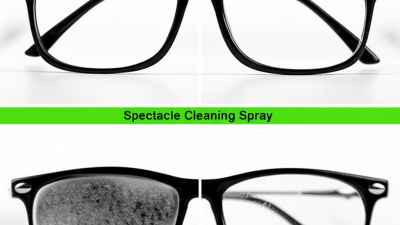
What is Glasses Cloth and How to Choose the Best One?
Choosing the right Glasses Cloth can significantly impact the longevity of your eyewear. As eyewear expert Dr. Emily Sanders states, "A high-quality glasses cloth is essential for maintaining clear vision." This insight emphasizes the importance of selecting a suitable cleaning option.
There are various types of Glasses Cloth available in the market. Some are made from microfiber, while others use specialized fabrics. Microfiber cloths are effective at removing smudges without scratching the lens. However, not all microfiber cloths are created equal; some may leave lint or not absorb grease effectively. It’s crucial to evaluate their texture and quality.
Considering the benefits and drawbacks of each type can be overwhelming. Users often overlook the maintenance aspect of their Glasses Cloth. Keeping it clean and using the correct approach is vital. Regular washing can enhance its effectiveness, yet many forget this step. An informed choice can ensure that your lenses remain in peak condition.
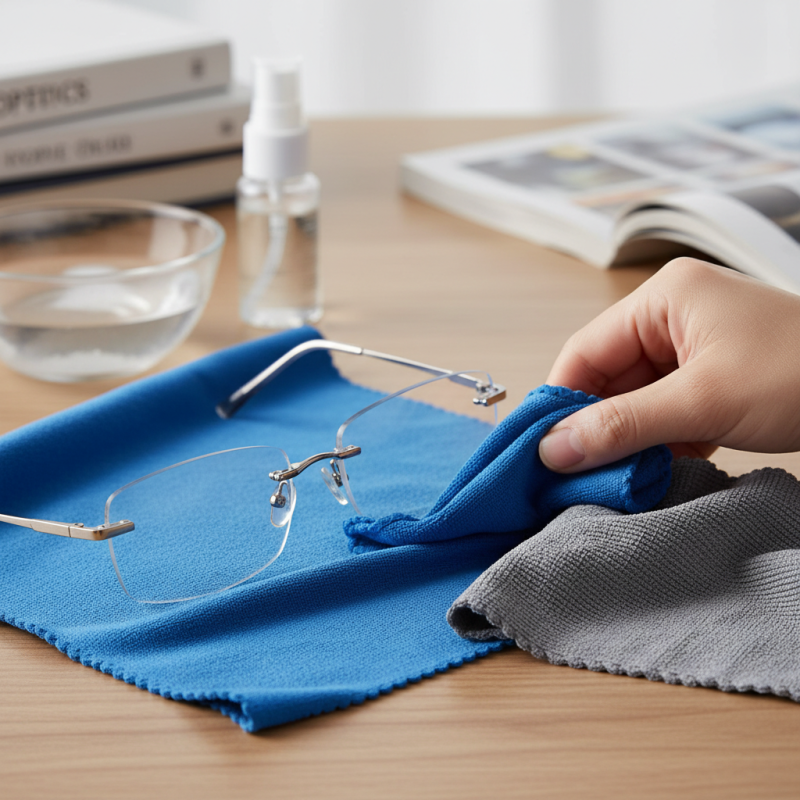
Understanding the Composition and Materials of Glasses Cloth
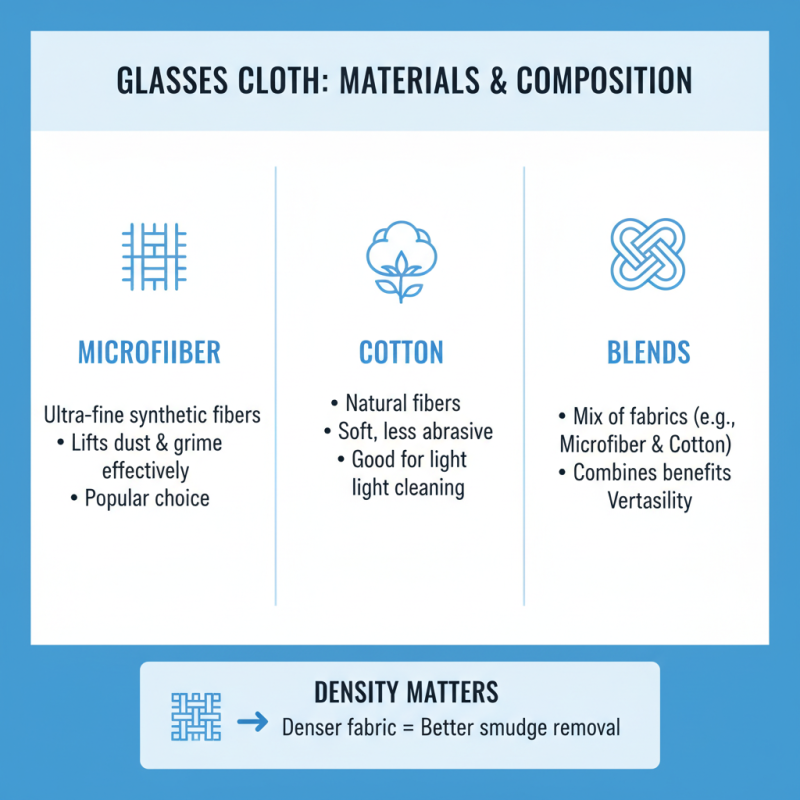
Choosing the right glasses cloth involves understanding its materials and composition. Commonly, these cloths are made from microfibers, cotton, or a blend of various fabrics. Microfiber cloths are especially popular due to their ultra-fine fibers, which effectively lift dust and grime. The density of the fabric matters. A denser cloth removes smudges better.
Cotton options are softer and more gentle on lenses. However, they may not be as effective at cleaning. Some cloths have special coatings that enhance their cleaning properties. These coatings can be useful, but they may also wear off after multiple washes, reducing their effectiveness over time.
Manufacturers often advertise features like scratch resistance. While these claims sound appealing, their reliability can vary. It's wise to read reviews and consult experts before buying. Choose a cloth that feels plush in hand, but be discerning. Not every soft cloth functions well for cleaning glasses. Balancing softness with cleaning ability is key. Always remember, a poor choice can lead to scratches on your lenses.
Comparison of Microfiber and Other Common Glasses Cloth Materials
When it comes to cleaning glasses, choosing the right cloth is crucial. Microfiber is a popular choice due to its fine fibers, which effectively lift dust and smudges. This material is soft and non-abrasive, making it safe for delicate lenses. Its durability is a plus; it can withstand numerous washes without losing effectiveness.
Other common materials include cotton and polyester. Cotton cloths are gentle but might not be as effective in trapping oils. They can leave lint on some lenses, which can be frustrating. Polyester blends offer a balance, but they may not be as effective as microfiber. The choice of material impacts cleaning efficiency, which is often overlooked.
Some people prefer thicker cloths, believing they provide better cleaning power. However, they can be bulky and less convenient to carry. A thin, compact microfiber cloth may clean better and fit in your pocket. Experimentation is common, as everyone has different preferences. It's essential to evaluate what feels best for your own routine.
Evaluating the Cleaning Efficiency of Different Glasses Cloth Types
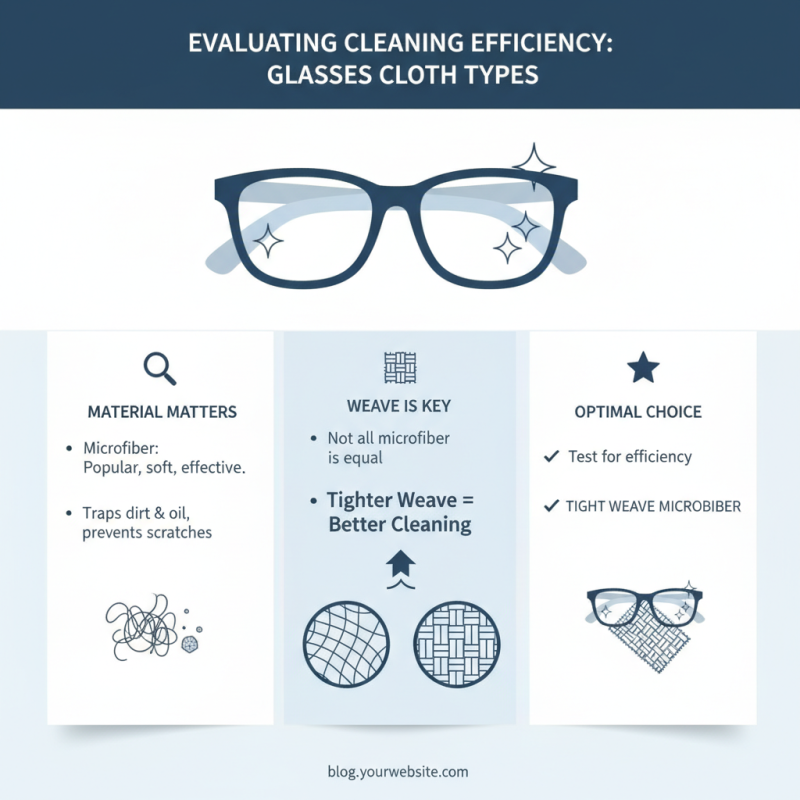
When selecting a cleaning cloth for your glasses, it’s crucial to test its efficiency. Different materials yield varying results. Microfiber cloths are popular for their softness and effectiveness. They trap dirt and oil, preventing scratches. However, not all microfiber cloths are created equal. Pay attention to the weave; tighter weaves often provide better cleaning.
Another option is cotton cloth. While it may seem less effective, it can handle stubborn smudges. The downside? Cotton can leave lint behind, which isn’t ideal for optical surfaces. It’s important to balance cleaning power with potential residue. Evaluate how the cloth performs on smudged lenses; a quick test can reveal much.
Consider durability as well. A cloth that frays or loses effectiveness quickly may not be worth the investment. Look for durability in the seams and material. Do a quick wash to see how it holds up. Lastly, keep in mind that personal preference plays a significant role in your choice. Feel and texture can influence satisfaction, so don’t hesitate to experiment before settling on one type.
Key Factors in Choosing the Right Glasses Cloth for Your Lenses
Choosing the right glasses cloth is crucial for maintaining the integrity of your lenses. There are several key factors to consider. Material is primary. Many materials, like microfiber, are gentle on lenses. They effectively remove dirt without scratching. Check the cloth's weave; tighter weaves typically perform better.
Another factor is size. A smaller cloth is convenient for everyday use. However, larger options might be better for comprehensive cleaning. Think about ease of care as well. Some cloths can be machine washed, while others require handwashing.
**Tips**: Look for cloths that are labeled as safe for optical surfaces. Test the cloth on a small area first. Always avoid paper towels or regular fabrics; they can cause scratches. Remember that the best cloth balances softness and durability. It’s all about finding what works for you, so don’t hesitate to try different options before settling on your perfect choice.
Comparison of Glasses Cloth Materials
Industry Recommendations for Maintaining Your Glasses Cloth Quality
Choosing the right glasses cloth is essential for maintaining optical quality. Professionals recommend several factors to consider. First, check the fabric material. Microfiber is a top choice due to its softness and ability to trap dust and smudges. The right weave structure also plays a crucial role. A finer weave provides better cleaning without scratching lenses.
Maintenance of your glasses cloth is vital for its longevity. Regular washing helps maintain its effectiveness. Use mild detergent and avoid fabric softeners, which can leave a residue. Air drying is preferable; it prevents damage from high heat. Keep the cloth stored in a clean, dry place to avoid dust and dirt accumulation.
Lastly, be mindful of wear and tear. A cloth may appear clean but could harbor debris that scratches lenses. Regularly inspect your glasses cloth for signs of wear. When in doubt, it’s best to replace it. Quality care is essential for prolonging the life of both your lenses and the cloth itself.
What is Glasses Cloth and How to Choose the Best One? - Industry Recommendations for Maintaining Your Glasses Cloth Quality
| Cloth Material |
Cleaning Effectiveness |
Durability |
Price Range |
Best Use Case |
| Microfiber |
Excellent |
High |
$5 - $20 |
Daily Usage |
| Cotton |
Good |
Medium |
$2 - $10 |
Occasional Use |
| Polishing Cloth |
Very Good |
High |
$3 - $15 |
For Lens Treatment |
| Silk |
Good |
Medium |
$10 - $30 |
Luxury Use |
| Terry Cloth |
Fair |
Low |
$1 - $5 |
Rare Use |