Why is Lens Cleaner Essential for Your Optical Products?
When it comes to maintaining optical products, the importance of using a Lens Cleaner cannot be overstated. Renowned optical expert Dr. Emily Carter emphasizes, "A clean lens ensures optimal vision clarity and extends product life." This statement underlines the critical role that proper lens maintenance plays in overall functionality.
Lens Cleaners effectively remove dirt, smudges, and oils. These contaminants can degrade your viewing experience. Without regular cleaning, users may overlook the gradual decline in clarity. This neglect can lead to poor vision and increase the risk of damaging expensive lenses. It’s easy to underestimate this necessity, yet the results of neglect can be quite profound.
Incorporating a quality Lens Cleaner into your care routine is simple. However, many people settle for household solutions that may cause damage. It’s crucial to choose cleaners specifically designed for optical use. Correct usage not only preserves lens quality but also enhances long-term performance. Don't take your vision for granted—opt for the right tools to maintain it.
Importance of Maintaining Optical Clarity in Glasses and Lenses
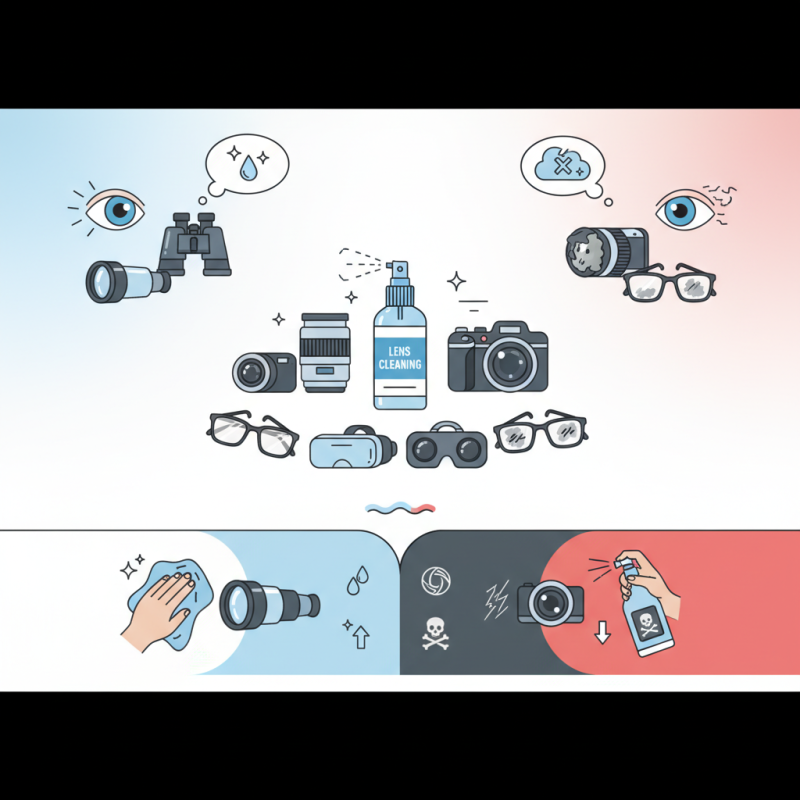
Maintaining optical clarity in glasses and lenses is crucial for optimal vision. Dirty lenses can obstruct light and create visual distortions. This interference can cause eye strain, headaches, and fatigue. It’s essential to regularly clean your optical products to ensure clear vision.
Many people underestimate the importance of lens cleaner. Water alone is often inadequate for removing smudges and fingerprints. Specialized cleaners are designed to dissolve oils and dust, offering a clear, streak-free finish. Using the wrong materials can also scratch lenses and compromise their effectiveness. Ensuring you have the right cleaning supplies is a step many skip.
Consider your environment. Dusty or humid conditions can lead to faster accumulation of dirt on lenses. Regular maintenance is necessary, yet it is often forgotten. It’s easy to overlook. However, the clarity of your lenses directly affects your quality of life. Taking a few moments to clean them can prevent discomfort and enhance your vision experience.
Understanding Different Types of Lens Cleaners and Their Uses
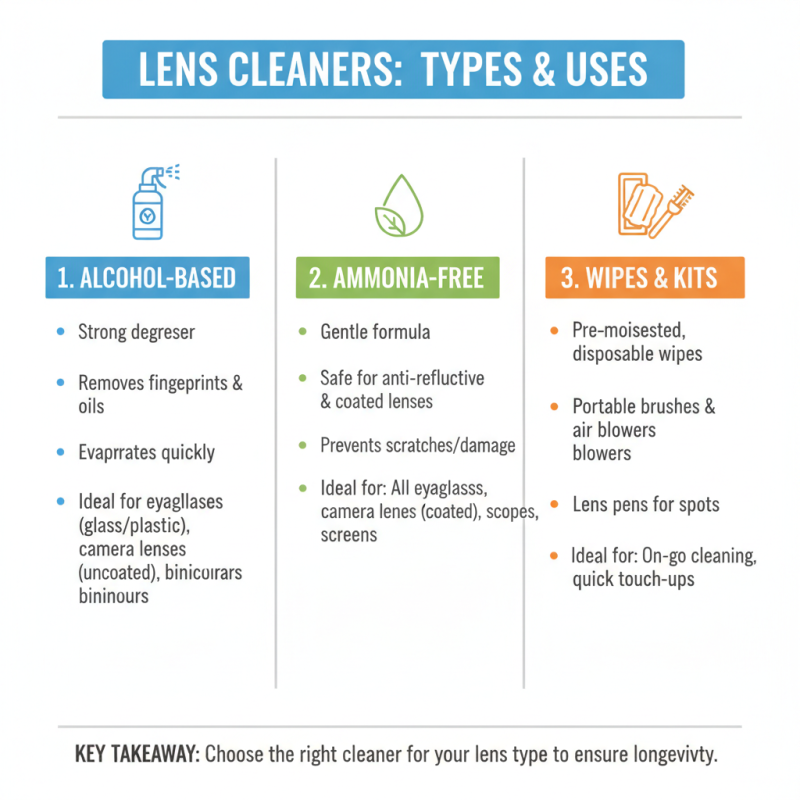
Lens cleaners come in various types, each designed for specific optical products. Some are alcohol-based, which effectively cut through grease and grime. Others might be ammonia-free, making them safer for coated lenses. Understanding these differences is key to maintaining your eyewear or camera lenses.
Microfiber cloths are essential allies when using lens cleaners. They prevent scratches while providing a soft cleaning surface. Inappropriate cleaning tools can damage lenses. Using tissue paper or rough fabrics may lead to permanent scratches. It’s a common mistake, but awareness can help avoid costly replacements.
Spray cleaners are convenient, but a little goes a long way. Over-saturating can leave streaks and residues. A few spritzes, followed by gentle wiping, usually does the trick. It's important to remember that not all lenses are created equal. Some may require special care or specific cleaners. Always check for compatibility to ensure your products stay in top condition.
Common Sources of Lens Contamination and How to Prevent Them
Lens contamination is a common issue for optical products. Dust, fingerprints, and smudges can obstruct your view. These contaminants can come from everyday interactions. For instance, simply touching your lenses can leave oils behind. Environmental factors also play a role. Dust and pollen in the air can settle on lenses, making them dirty.
Preventing lens contamination is essential for maintaining clarity. Regular cleaning is necessary, but using the right tools matters. A soft microfiber cloth can effectively remove dirt without scratching. Avoid using paper towels or clothing, as they may leave fibers behind. Additionally, consider storing lenses in protective cases when not in use. It reduces exposure to potential contaminants.
Awareness of your surroundings also helps. Beaches and windy areas often carry more dust. Be mindful of where you handle your optical products. Recognize that even small particles can cause lasting damage. A little attention can go a long way. Taking these small steps will enhance your experience with optical products.
Why is Lens Cleaner Essential for Your Optical Products? - Common Sources of Lens Contamination and How to Prevent Them
| Source of Contamination |
Impact on Optical Products |
Prevention Method |
| Dust and Dirt |
Scratches and decreased visibility |
Use a dust cover when not in use |
| Fingerprint Smudges |
Blurred vision and reduced clarity |
Clean with lens cleaner and microfiber cloth |
| Oil and Grease |
Obstruction of light and clarity |
Use appropriate cleaning solutions and tools |
| Moisture |
Can lead to fungal growth |
Store in a dry environment |
| Chemical Residues |
Etching and damage to lenses |
Avoid contact with harsh cleaners |
Best Practices for Properly Cleaning Optical Products
Keeping your optical products clean is crucial. Dust, fingerprints, and smudges can affect their performance. Not using proper cleaning methods can lead to damage. Regular care helps maintain the longevity of your lenses.
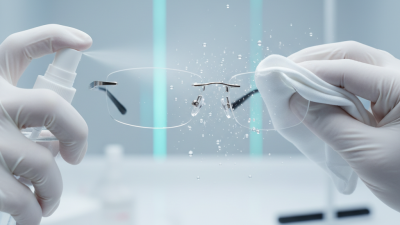
Here are some tips for effective cleaning. Use a microfiber cloth designed for optics. Avoid paper towels; they may scratch surfaces. Always use lens cleaner, never household cleaners. Spray cleaner on the cloth instead of directly on the lens. This prevents liquid from seeping into the edges and damaging the product.
Cleaning your optical products can be tricky. Rushing through the process might lead to incomplete cleaning. Pay attention to hard-to-reach areas and edges. Check for streaks after cleaning; they can indicate remaining dirt. Take your time, and revisit areas to ensure clarity.
The Impact of Neglecting Lens Maintenance on Visual Health
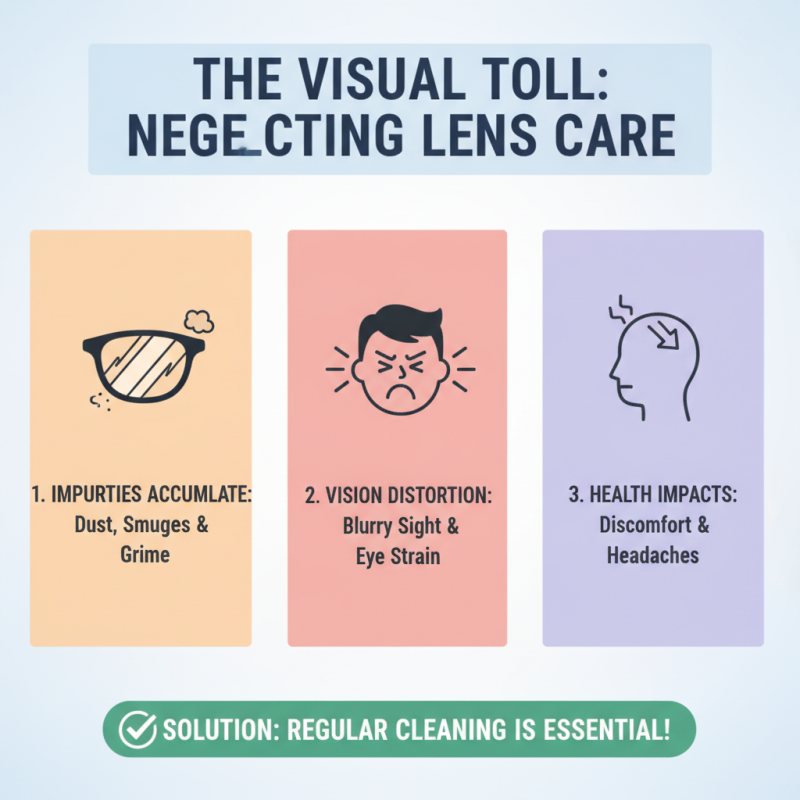
Neglecting lens maintenance can significantly impact your visual health. Dust, smudges, and grime can accumulate on optical surfaces. Over time, these impurities can distort your vision. You may squint or strain your eyes to see clearly. This can lead to discomfort and headaches. Regular cleaning is more than a chore; it’s a necessity.
Dirty lenses can also lead to long-term damage. Scratches and film build-up may become permanent if ignored. Optometry professionals emphasize the importance of proper lens care. They recommend using appropriate cleaners and microfiber cloths. Many people use products not designed for optics, risking damage.
Investing time in lens maintenance pays off. Clean lenses provide clearer vision and enhance overall eye health. However, it’s easy to overlook this task. People are often busy and forgetful. A moment of neglect can lead to weeks of eye strain. Reflecting on this can help prioritize lens cleaning in daily routines.