Top 10 Ophthalmic Equipment You Should Know About?
Ophthalmic equipment plays a crucial role in modern eye care. The industry has seen significant growth in recent years. According to a 2022 report by Market Research Future, the global ophthalmic equipment market is projected to reach $62 billion by 2027. This growth is driven by increasing eye disorders and the aging population.
Healthcare providers rely on innovative ophthalmic equipment to offer accurate diagnoses and effective treatments. Devices like optical coherence tomography (OCT) and fundus cameras have transformed how we detect conditions such as diabetic retinopathy and glaucoma. Yet, not all facilities can access the latest technology. There is a noticeable gap in resource availability between urban and rural areas.
Understanding the top ophthalmic equipment is essential for practitioners. It allows for better patient outcomes and efficient management of eye care services. As we explore the top ten pieces of ophthalmic equipment, the potential for advancement remains clear. However, ongoing training and investment are critical to ensuring that all practitioners can keep pace with technological advancements.
Overview of Ophthalmic Equipment in Modern Eye Care
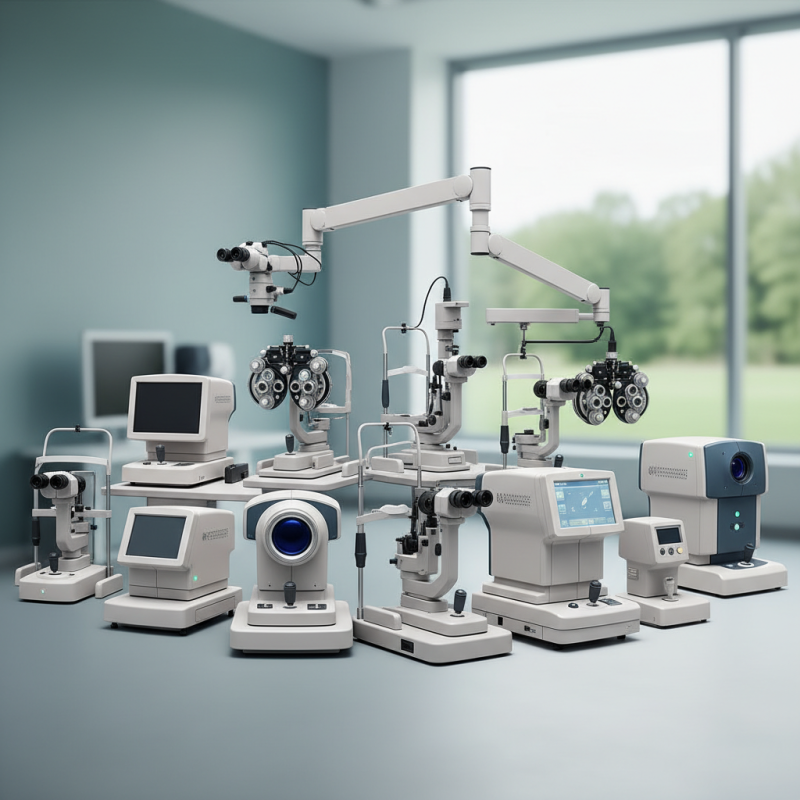
Ophthalmic equipment plays a crucial role in modern eye care. Various devices enhance diagnosis, treatment, and patient management. According to the World Health Organization, over 2.2 billion people have vision impairment globally. This highlights the importance of effective ophthalmic tools.
Devices like fundus cameras and optical coherence tomography (OCT) systems are essential. They provide detailed images of the eye, aiding in the early detection of diseases. A recent survey revealed that 85% of eye care professionals rely on OCT for accurate diagnoses. However, not all clinics are equipped with the latest technology. This gap can lead to missed diagnoses and delayed treatments.
Tips: Regularly assess your clinic's equipment. Upgrading old machines can improve patient outcomes. Monitoring advancements in technology also ensures your practice remains competitive.
Training staff to use these devices effectively is critical. Proper use maximizes the benefits of the equipment. In a fast-evolving field, ongoing education is necessary. Many professionals lack familiarity with some new technologies. This can create unnecessary risks in patient care. Emphasis on education is key for improving overall service quality.
Essential Tools for Eye Examinations and Diagnoses
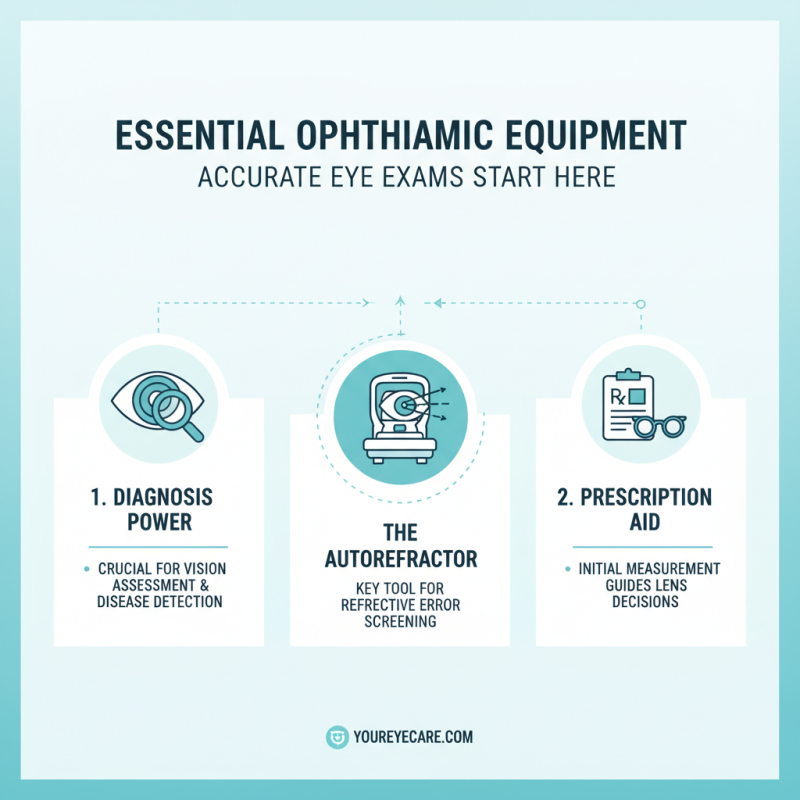
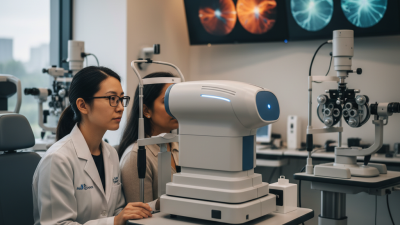
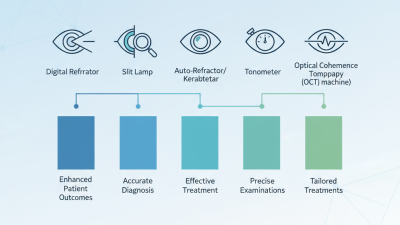
When it comes to eye examinations and diagnoses, having the right tools is crucial. Ophthalmic equipment plays a significant role in assessing vision and detecting eye diseases. One essential tool is the autorefractor, which helps measure how light changes as it enters the eye. This device provides an initial assessment of refractive errors, aiding in prescription decisions.
Another important tool is the slit lamp. It provides a magnified view of the front part of the eye, helping detect conditions like cataracts and corneal abrasions. However, using it effectively requires skill and practice. Mistakes can happen, leading to missed diagnoses.
Additionally, the tonometer is vital for measuring intraocular pressure. Elevated pressure can indicate glaucoma, a serious condition. However, factors like patient anxiety can sometimes lead to inaccurate readings. Every tool has its challenges. Therefore, continuous training and reflection on the outcomes are essential for improvement. Recognizing imperfections in technique can help enhance patient care.
Advanced Imaging Technologies for Ocular Assessment
Advanced imaging technologies are revolutionizing ocular assessment. Techniques like optical coherence tomography (OCT) provide detailed cross-sectional images of the retina. OCT helps in diagnosing conditions such as glaucoma and macular degeneration. A recent report showed that OCT usage has increased by 75% in eye care clinics over the past five years.
These advancements ensure that eye health professionals can detect issues early. Fundus photography remains essential. It captures images of the retina, allowing for a comprehensive view of eye health. Yet, some practices still rely on outdated methods. Regular training in these new technologies is crucial for optimal patient care.
Tips: Consistent use of advanced imaging can improve diagnosis accuracy. Ensure your team embraces continuous education on these technologies. Keeping up with innovation is vital in this rapidly evolving field. Remember, technology alone does not guarantee success. The nuanced interpretation of images remains key to effective treatment.
Instruments for Eye Surgery: Types and Functions
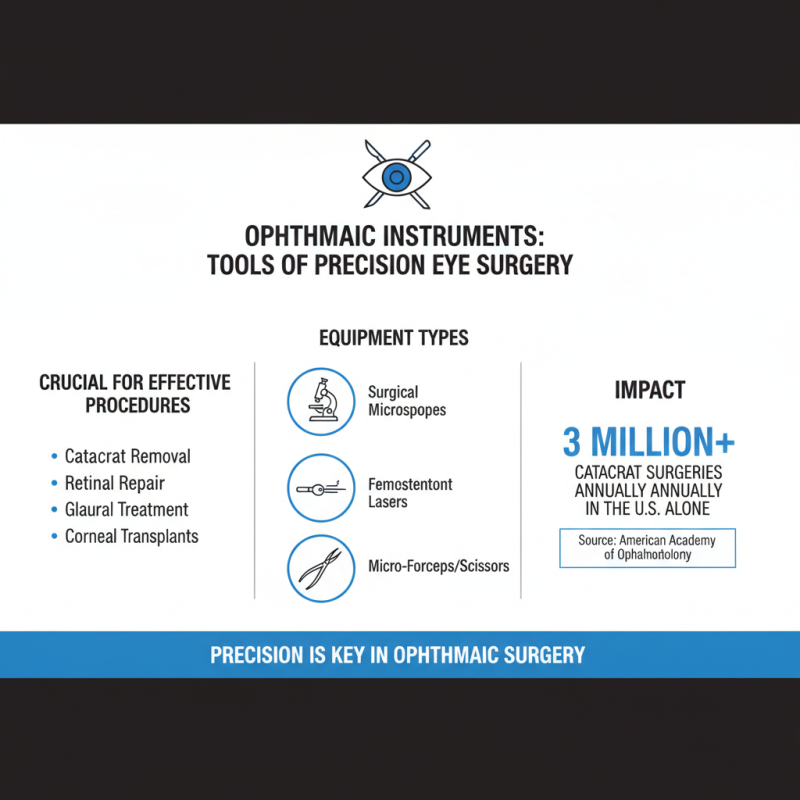
Ophthalmic instruments are crucial for effective eye surgeries. Various types of equipment assist surgeons in procedures ranging from cataract removal to retinal repair. According to the American Academy of Ophthalmology, over 3 million cataract surgeries are performed each year in the United States alone. Precision in these procedures is key.
One essential tool is the phacoemulsification machine, used in cataract surgeries. It breaks the cloudy lens into tiny pieces, which are then removed. A 2022 industry report highlighted that 90% of surgeons prefer this technology for its efficiency. Another vital instrument is the vitrectomy cutter, which helps treat retinal conditions by removing vitreous gel. Its design allows for minimally invasive approaches. Yet, the cost of such machines can be a barrier for some clinics, limiting their availability.
Instruments like the indirect ophthalmoscope allow for detailed examination of the retina. Surgeons can detect issues earlier and improve patient outcomes. However, training is essential for the effective use of these devices. An increase in skilled personnel is needed, as many practitioners struggle with advanced technologies. Ensuring every facility has access to up-to-date equipment remains a challenge worth addressing.
Innovations in Ophthalmic Equipment for Enhanced Patient Care
Innovations in ophthalmic equipment are transforming patient care daily. New imaging technologies provide clearer and more detailed views of the eye. This allows for more accurate diagnoses. Tools like optical coherence tomography (OCT) scan the eye's layers in real-time. They help detect diseases early, but these machines can be costly.
Another exciting area is telemedicine. Remote eye exams are becoming more common. Patients can consult with specialists without traveling far. However, this raises concerns about accessibility. Not every patient has access to reliable internet.
Artificial intelligence is also making waves. AI helps analyze data faster. It can predict eye conditions based on patterns found in imaging. But, over-reliance on AI could lead to missed nuances in human eyes. While these innovations show promise, they also present challenges. The balance between technology and human expertise is crucial for real patient care.