How to Choose the Best Pliers Set in 2026?
Choosing the right Pliers Set in 2026 requires more than comparing prices or counting tools. A reliable set should match your work, hand size, materials, and expected frequency of use. Electricians may need insulated combination, diagonal-cutting, and long-nose pliers. Mechanics often value strong slip-joint, locking, and groove-joint designs. For delicate repairs, smooth jaws can prevent scratches on wires, fasteners, and polished surfaces.
Start with the steel, jaw alignment, handle comfort, and hinge movement. High-quality alloy steel can improve durability, but heat treatment and manufacturing precision matter just as much. Look for clean jaw closure, consistent teeth, corrosion-resistant finishes, and handles that remain secure during repeated pressure. If electrical work is involved, verify the manufacturer’s insulation rating and use tools designed for that application. Do not assume bright colors mean professional protection.
Real workshop experience reveals small differences. A stiff hinge can tire your wrist after an hour. Poorly matched jaws may crush a connector instead of gripping it. I once chose a compact set for convenience, then found its handles uncomfortable during longer repairs. That mistake still influences my buying criteria. Sometimes, fewer well-made tools outperform a crowded case. However, no single Pliers Set suits every user. Compare independent testing, warranty terms, replacement availability, and credible user feedback before deciding. A thoughtful choice should feel controlled, comfortable, and dependable in the hand, not merely impressive on a product page.
Understanding Pliers Types and Their Intended Uses
How to Choose the Best Pliers Set in 2026?
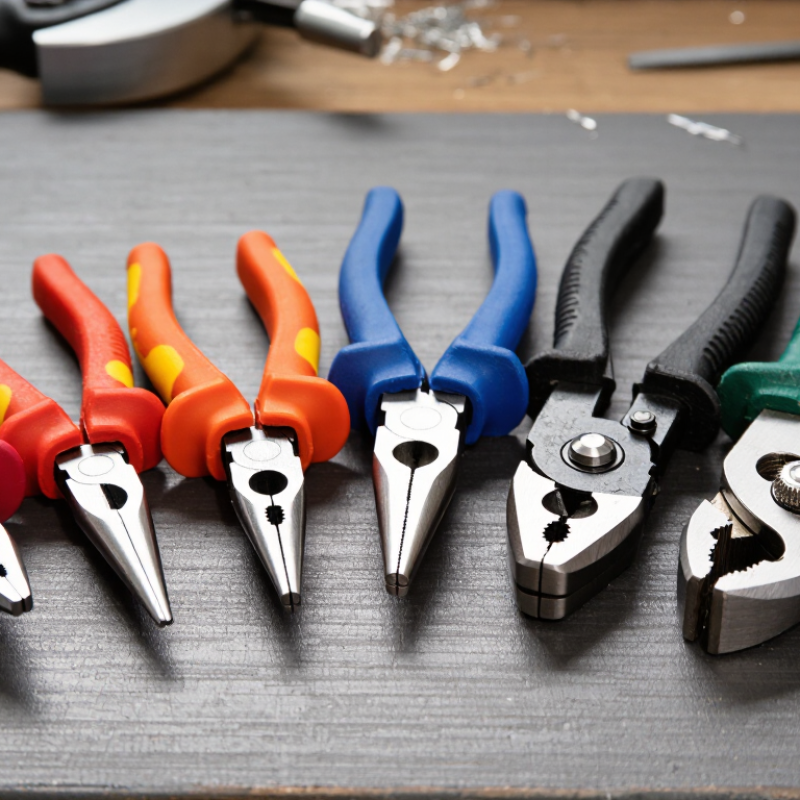
Understanding pliers types prevents damaged parts and sore hands. In my workshop, combination pliers handle general gripping, twisting, and cutting. Long-nose pliers reach narrow electrical boxes and bend small wires precisely. Diagonal cutters sever wire, but they should not twist metal. Slip-joint pliers offer adjustable gripping, while tongue-and-groove pliers suit larger fittings. Locking pliers hold stubborn components securely, although excessive pressure can mark surfaces. The ANSI/ASME B107 series sets performance requirements for many hand tools, including pliers. Check whether your chosen set follows a recognized standard.
Size matters.
A 2024 Grand View Research report estimated the global hand tools market at about 23.4 billion U.S. dollars in 2023. That growth reflects broad professional and household demand, not proof that every large set is useful. A compact set may work better in a crowded toolbox. Look for insulated handles only when electrical work requires them, and verify their voltage rating. Never treat insulation as permanent protection. I have made that assumption before. It was careless.
Tips:
Match the jaw shape to the task, not the handle color. Test smooth movement and even jaw contact. Keep cutters sharp, but replace them when the joint develops looseness. Choose comfortable grips, yet remember that comfort cannot correct the wrong tool. For frequent work, buy fewer specialized pliers instead of one oversized set. Consult the manufacturer’s load limits and relevant safety guidance from OSHA before demanding more force.
Evaluating Materials, Construction, and Handle Ergonomics
Choosing the best pliers set in 2026 starts with materials, not the number of tools inside the case. For general workshop use, forged chrome vanadium steel offers strength and dependable edge retention. Stainless steel resists corrosion, but it may not match the toughness of properly heat-treated alloy steel. Check the jaws closely. They should meet evenly, without visible gaps or rough machining marks. A smooth pivot matters too. It should open steadily, without grinding or sideways movement.
Construction reveals more than polished surfaces. Look for accurately aligned jaws, secure rivets, and a cutting edge that closes cleanly. Test the joint with one hand. Excessive looseness usually signals poor control. Coated handles can improve grip, while thicker, contoured designs reduce pressure across the palm. However, soft padding is not automatically better. It may compress, trap sweat, or make precise work harder. I once preferred heavily cushioned handles, then found slimmer grips more reliable during small repairs. That changed my buying habits.
Tips: Hold each plier before purchasing. Your fingertips should not touch your palm when the handles close. Try a gentle cutting motion, then inspect your wrist angle. Choose insulation only when the tool’s rating suits the intended electrical work. Do not trust appearance alone. A modest finish can hide excellent construction, while bright surfaces may disguise weak alignment. Record how the set feels after ten minutes, not just ten seconds. Comfort is easy to overestimate.
Comparing Safety Features, Durability, and Maintenance Needs
Choosing pliers in 2026 means examining protection before appearance. The U.S. Bureau of Labor Statistics recorded 888,220 private-industry cases involving days away from work in 2023. That figure covers all tools and tasks, not pliers alone. Still, it supports careful hand-tool selection. Choose insulated handles tested to IEC 60900 when electrical work genuinely requires them. Insulation is not permission to handle energized systems. Add finger guards, textured grips, and a controlled jaw profile. Test the grip with dry hands. Then test it near light oil. Slipping happens quickly.
Durability depends on more than a polished surface. Check joint alignment, jaw symmetry, cutting-edge sharpness, and handle movement. ISO 5743 specifies general requirements for pliers and nippers, while ISO 5744 describes testing methods. These standards offer a stronger reference than packaging claims. Liberty Mutual’s 2024 Workplace Safety Index estimated serious workplace injuries cost $58.5 billion in 2022. A dependable pivot may prevent forceful, awkward handling. A dramatic first cut proves very little. Hidden jaw damage is possible.
Maintenance should remain simple and visible. Brush away metal dust after use. Apply one small drop of light machine oil to the pivot. Wipe off the excess. Inspect for cracks, chipped edges, loose insulation, and unusual play. It is easy to overlook pivot movement. That deserves a second check. Do not grind damaged jaws casually; altered geometry can increase slipping. Store the set dry, because surface rust often begins where moisture is ignored.
How to Choose the Best Pliers Set in 2026?
Comparing safety features, durability, and maintenance needs
This comparison uses a 1–10 evaluation scale. Insulated combination and long-nose pliers score highly for safety because controlled grips and insulated handles can reduce handling risks. Stainless-steel and hardened-alloy designs generally offer stronger corrosion resistance and wear durability, while polished-joint and coated models typically require less maintenance when kept clean and lightly lubricated.
Scores are comparative guidance based on common tool-design characteristics; actual performance depends on construction quality, working environment, and user maintenance.
Choosing the Best Pliers Set for Your Budget in 2026
Choosing the Best Pliers Set for Your Budget in 2026
A useful pliers set should match your work, not simply your budget. In my workshop, I check the jaw alignment before examining the handle design. Uneven jaws can damage wire and leave frustrating marks on small parts. A practical set usually includes combination, long-nose, diagonal-cutting, and adjustable pliers. For occasional repairs, three reliable tools may be enough. Buying ten pieces can waste money.
For a limited budget, prioritize hardened steel, smooth pivots, and comfortable grips. The handles should close evenly without excessive force. If you work near electrical systems, choose tools with clearly tested insulation and suitable safety ratings. Do not treat ordinary plastic as protection. A mid-range set often offers better durability than the cheapest option. It should survive repeated cutting without developing loose joints.
I once bought an inexpensive set because the storage case looked impressive. The cutters dulled quickly, and the hinge needed oil after several uses. That mistake changed my buying process. Now I test the pivot, inspect the cutting edges, and read independent user reports. Still, specifications do not reveal everything. A tool can feel excellent in a store but tiring after an hour. Leave room in your budget for a replacement cutter or protective pouch. The best value is dependable performance, not the largest piece count.